


Two-Wheeled Electric Vehicles
Regulators cannot simply lump every two-wheeled vehicle into the motorcycle class, either on-road or off-road, while ignoring the fact that these bikes are being sold to and ridden primarily by minors who would not be allowed to operate a car or on-highway motorcycle. While we welcome and encourage new riders to experience the joys of motorcycling, they need to be reminded that it comes with a responsibility to follow the law, operate in an appropriate manner, and share the trails.
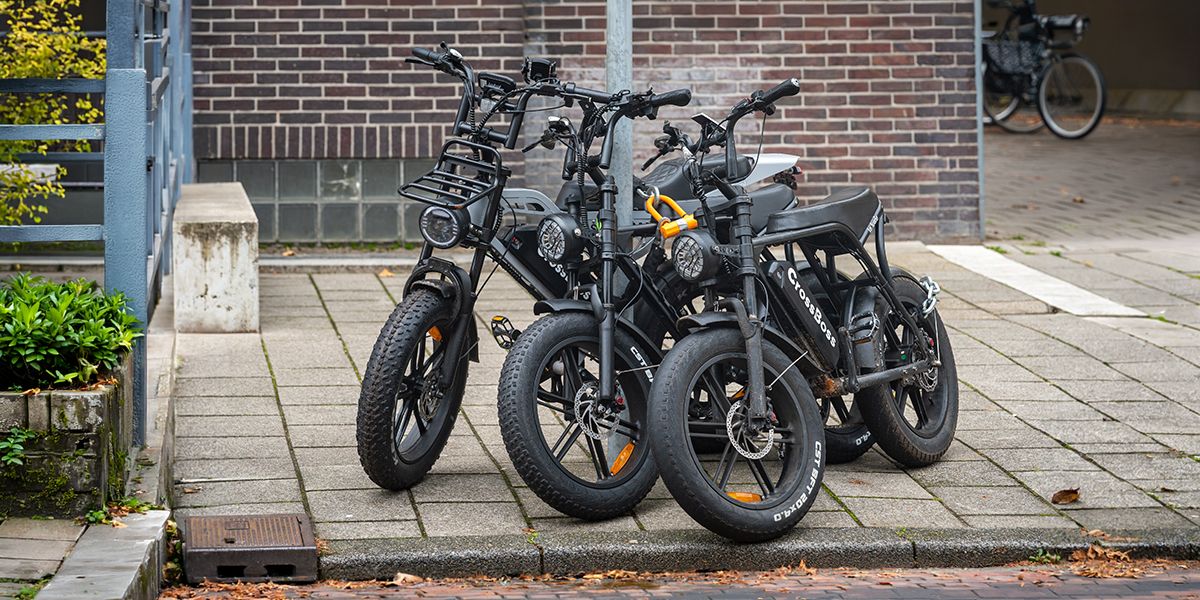
Electric bicycles (e-bikes) continue to grow in popularity. These vehicles have proven prevalent in part because they increase accessibility to trails for users who are otherwise unable to experience them on traditional bicycles, often due to age or physical limitations. They have also made commuting by bicycle a more feasible option in many urban environments and are seen as another piece of the search for a solution to congestion seen in many cities.
As with any new technology, some challenges have become apparent. Consumers are faced with myriad options while regulations for their uses lag behind, leading to conflicts and confusion regarding where these vehicles are allowed. The current effort to regulate and differentiate these vehicles from bicycles has focused on industry-created model legislation that has resulted in the creation of a three-class system that defines these bikes on a number of characteristics including limiting them to 750 watts (1 HP), prohibiting motor assist above 20-28 MPH (depending on class), a saddle or seat for the rider, and fully operational pedals.
The American Motorcyclist Association (AMA) recognizes the three-class system that defines e-bikes and potentially the development of additional classes of vehicles. In order to be considered electric motorcycles (e-motos), these vehicles must include a number of characteristics. Specifically, manufacturers and vendors of these vehicles must provide a vehicle that is registrable and includes a Product Identification Number (PIN), a Vehicle Identification Number (VIN), a Manufacturer’s Certificate of Origin (MCO), or Manufacturer’s Statement of Origin (MSO).
Depending on the intended use, on-highway or off-highway, the vehicles should include functional items such as turn signals, headlights and brake lights, and meet all applicable braking standards (on-road). In addition, riders should be required to follow the same laws governing motorcycles, including obtaining an endorsement (for on-highway use), youth training (for off-highway use) when required, insurance when required, and proper registration. Electric vehicles that do not meet these long-held standards should be treated as unclassified vehicles, and any illegal use should subject the rider to consequences like those faced by any other vehicle being used in an unlawful manner. Furthermore, they should not be included in motorcycle crash and fatality statistics since they do not meet the criteria for being a motorcycle.
Regulators cannot simply lump every two-wheeled vehicle into the motorcycle class, either on-road or off-road, while ignoring the fact that these bikes are being sold to and ridden primarily by minors who would not be allowed to operate a car or on-highway motorcycle. While we welcome and encourage new riders to experience the joys of motorcycling, they need to be reminded that it comes with a responsibility to follow the law, operate in an appropriate manner, and share the trails.